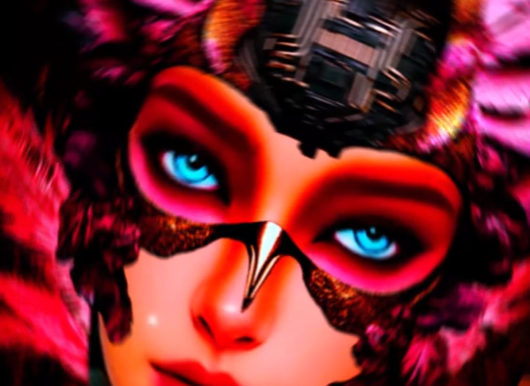
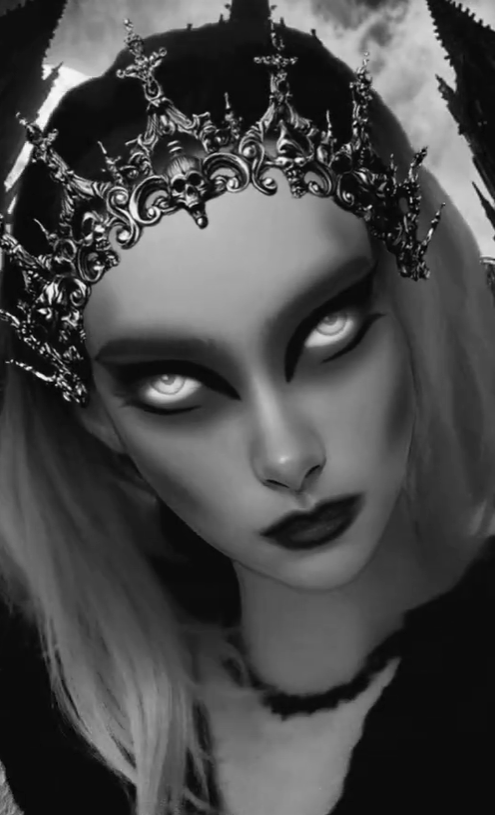
In a digital culture increasingly shaped by visual self-expression, few trends have had as profound a psychological and aesthetic impact as TikTok’s now-iconic Cartoon Villain filter. Originally intended as a playful animation overlay on Tiktok, the filter has transcended its novelty roots to become a full-blown digital persona—embraced by thousands as a daily identity, a creative shield, and, for many, a source of genuine confidence.
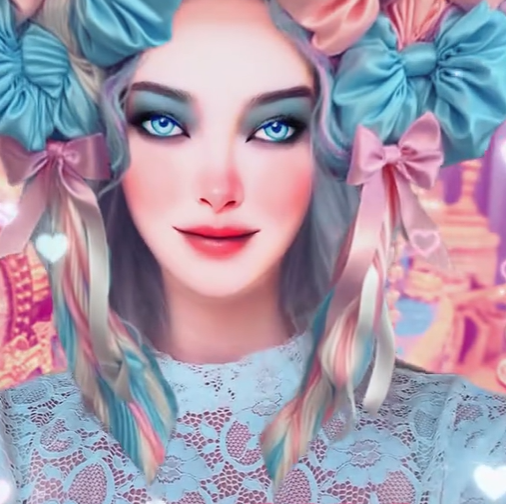
What began as a trend for stylized lip-syncs and comedic sketches has quietly become the visual language of an entire sub-community. For some users, the villain avatar isn’t just a fun mask—it’s their primary identity on the platform.
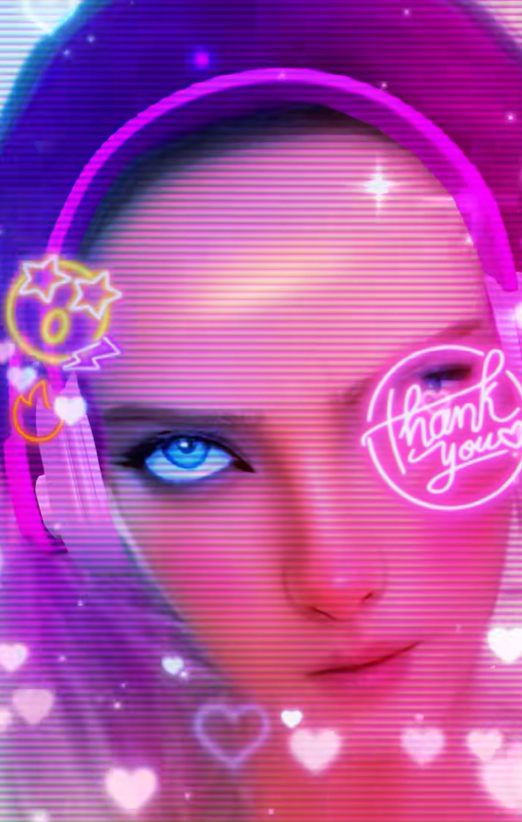
A Filter With a Face—and a Feeling
At first glance, the filter adds dramatic contouring, expressive brows, glowing eyes, and an animated noir effect to the user’s face. But its impact is more than aesthetic. The “villain” persona exudes confidence, flair, and controlled chaos—qualities many users say they struggle to project in their unfiltered selves.
The result? A growing community of users who post exclusively using the filter—sometimes for fun, sometimes as performance art, and often as a deeply personal act of self-assertion.
Digital Armor in a Vulnerable Age
The villain avatar’s appeal is not just in what it adds, but in what it hides. It allows users to bypass insecurities related to appearance, gender presentation, or self-esteem. For many, it functions as digital armor—creating distance between the self and the screen while amplifying traits they admire in others.
Psychologists suggest the phenomenon mirrors classic mask theory: people are often more honest, expressive, and confident when they feel partially hidden.
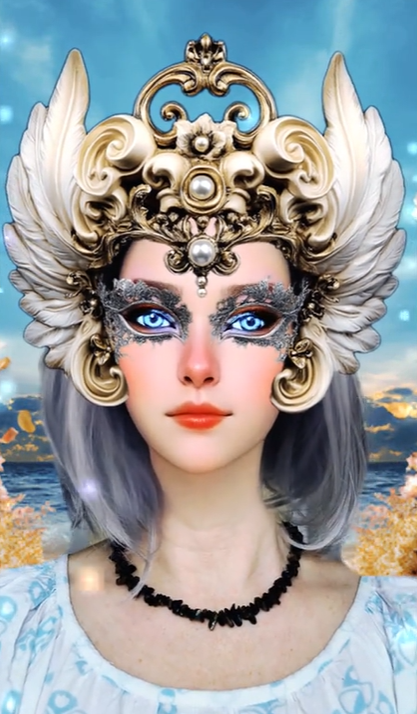
A Community Built on Stylized Identity
Entire content ecosystems have now formed around the villain avatar. Users engage in serialized storylines, duet battles, villain “councils,” and lore-building—treating the filter not as decoration, but as canon. Some creators have even given their avatars names, accents, backstories, and moral codes.
This phenomenon mirrors the broader trend of VTubing and digital personas, but with a uniquely TikTok twist: fast, expressive, and mobile-first.
Identity in the Age of Filters
While some may dismiss it as just another filter, the villain avatar speaks to deeper digital realities:
- We curate identity constantly.
- Aesthetic confidence matters.
- Empowerment can come through fantasy.
The avatar has become a safe middle ground between vulnerability and visibility—a way for people to be present online without being exposed. For those who’ve been marginalized or insecure, the filter doesn’t hide their identity—it amplifies it.
Be Yourself.
As TikTok continues to roll out more stylized and AI-enhanced filters, we may see further expansion of what it means to “look like yourself” online. Some creators have already begun building entire brands around their villain avatars—merchandise, streaming channels, even music personas.
In a platform that often prizes raw authenticity, the villain filter is a paradox: a digital mask that, for many, has become their most authentic self.
Thank you to Caratoonado for the permission to use their filter images for this article. You can find their Tiktok Filter Channel here: https://www.tiktok.com/@caratoonado.filte