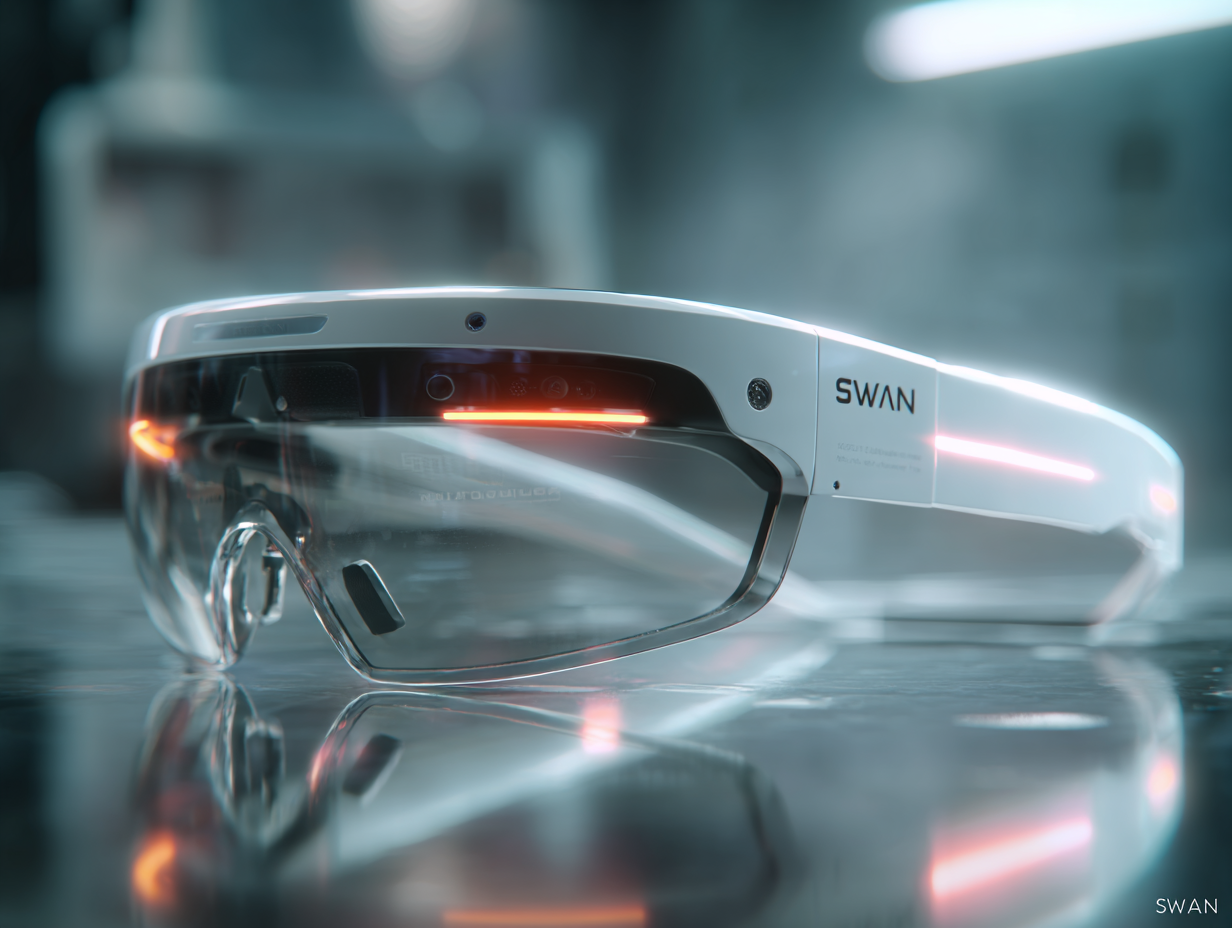
Samsung’s summer events are always ones to watch—but Galaxy Unpacked 2025 is shaping up to be more than a phone showcase. With rumors swirling and leaks dropping, all signs point to a major moment not just for mobile tech, but for extended reality (XR).
At the heart of this buzz is Project Moohan, Samsung’s long-awaited XR headset co-developed with Google and Qualcomm. Set to debut alongside the Galaxy Z Fold 7 and Galaxy Watch 8, Moohan represents Samsung’s boldest move into the immersive space yet.
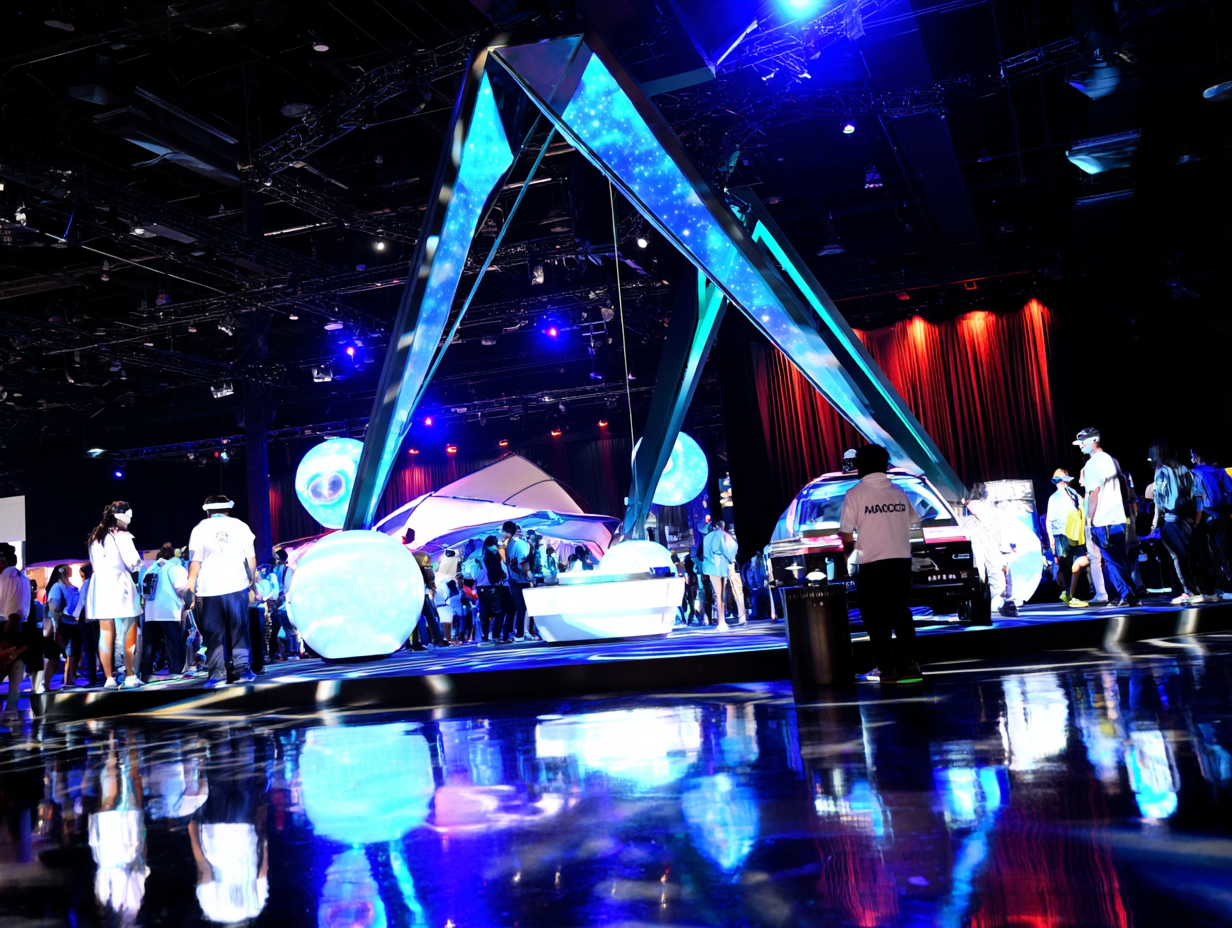
Project Moohan: Samsung’s Answer to the XR Race
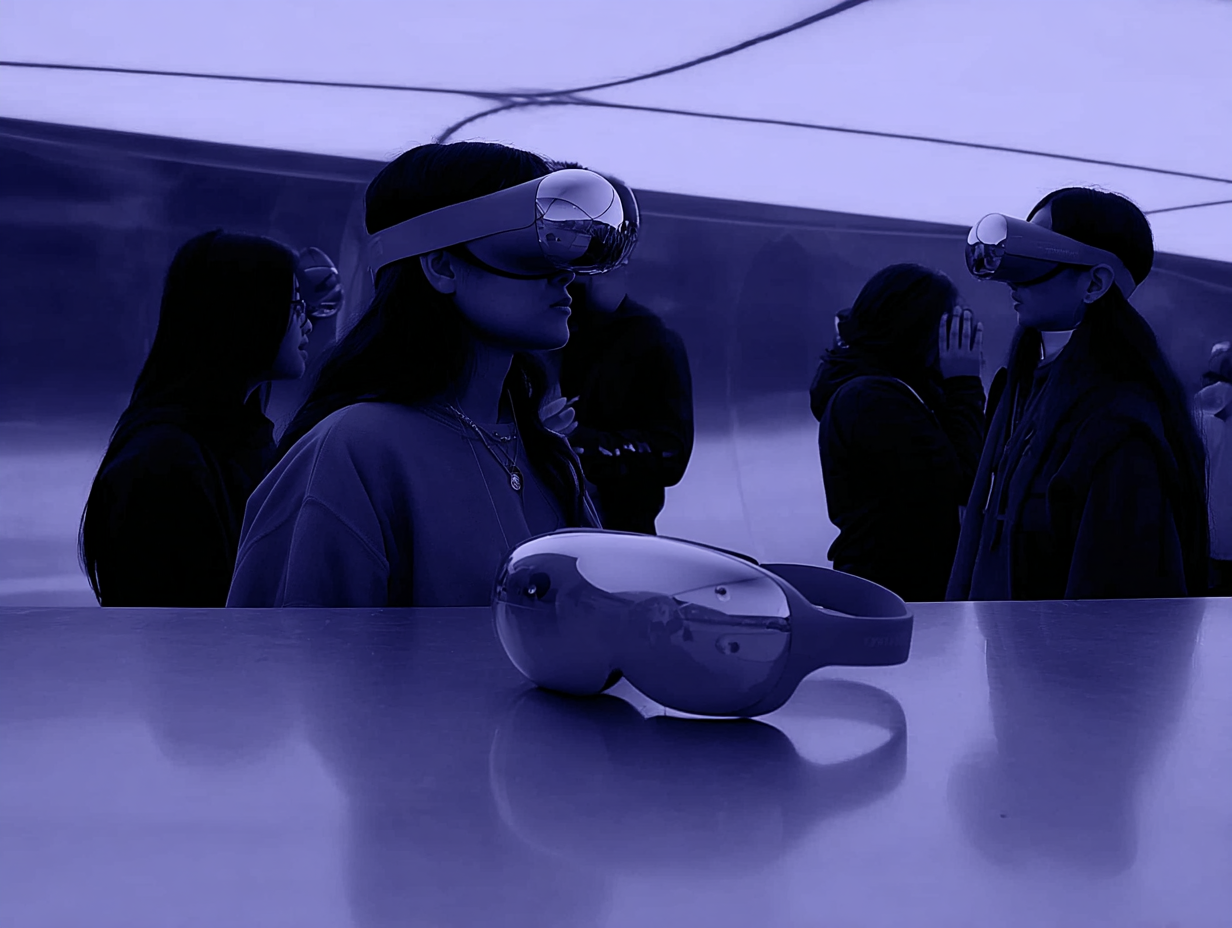
Project Moohan isn’t just a headset—it’s a strategic play in a fast-evolving market dominated by Apple’s Vision Pro and Meta’s Quest lineup. What sets it apart?
- Powered by the Snapdragon XR2+ Gen 2 – Qualcomm’s latest chip is built specifically for low-latency, high-fidelity XR experiences.
- Runs on Android XR – A new XR-optimized version of Android, likely tailored for spatial computing and seamless cross-device integration.
- Jointly developed with Google – This signals tight platform-level optimization, potentially giving Moohan the ecosystem power that other headsets often lack.
If rumors are accurate, we could be looking at a lightweight, standalone device that balances high-end performance with mainstream usability.
Foldables, Evolved: Galaxy Z Fold 7
While XR is the buzzword, Samsung isn’t forgetting its foldable roots. The Galaxy Z Fold 7 is tipped to be the thinnest foldable ever released, with:
- An 8.2-inch AMOLED main display
- A 200MP camera system for pro-level content creation
- A redesigned hinge for better durability and seamless folding
What’s interesting is how the Fold 7 might work as a companion device for Moohan—perhaps controlling spatial apps, handling notifications, or acting as a second display in AR mode.
Galaxy Watch 8: Smarter Wearables on the Way
Samsung’s also expected to introduce the Galaxy Watch 8 series, which could bring upgraded sensors, new health features, and tighter integration with both Samsung Health and—possibly—Project Moohan.
Imagine glancing at your watch for biometric data while immersed in a virtual training session or controlling XR content via wrist-based gestures.
What It Means for the XR Industry
Samsung isn’t coming at XR alone—it’s teaming up with Google’s software and Qualcomm’s hardware chops. That three-way partnership could be the key to building a truly viable Android-based XR ecosystem, something that’s been missing in the battle against Apple’s increasingly closed VisionOS.
With Android XR as a foundation, Moohan could be more open, more customizable, and more creator-friendly than what’s currently on the market.