In a bold move that’s catching global attention, Finland has become the first country to launch a nationwide XR-based curriculum, transforming how students engage with science, history, art, and even social-emotional learning.
As XR (Extended Reality) steadily moves from novelty to necessity globally, Finland has taken the lead in a move which promises a profitable future for the country.
From Pilot to Policy
The initiative began in 2023 as a pilot program in 20 schools across Finland’s Uusimaa and Lapland regions. The success was immediate and measurable:
- Student engagement jumped 42%
- Teachers reported 30% better retention rates in science and history
- XR tools led to increased inclusion for neurodiverse learners and students with language barriers
By late 2024, Finland’s Ministry of Education and Culture partnered with local XR developers, universities, and international hardware providers to roll out a standardized XR curriculum to all public primary and secondary schools in the country.
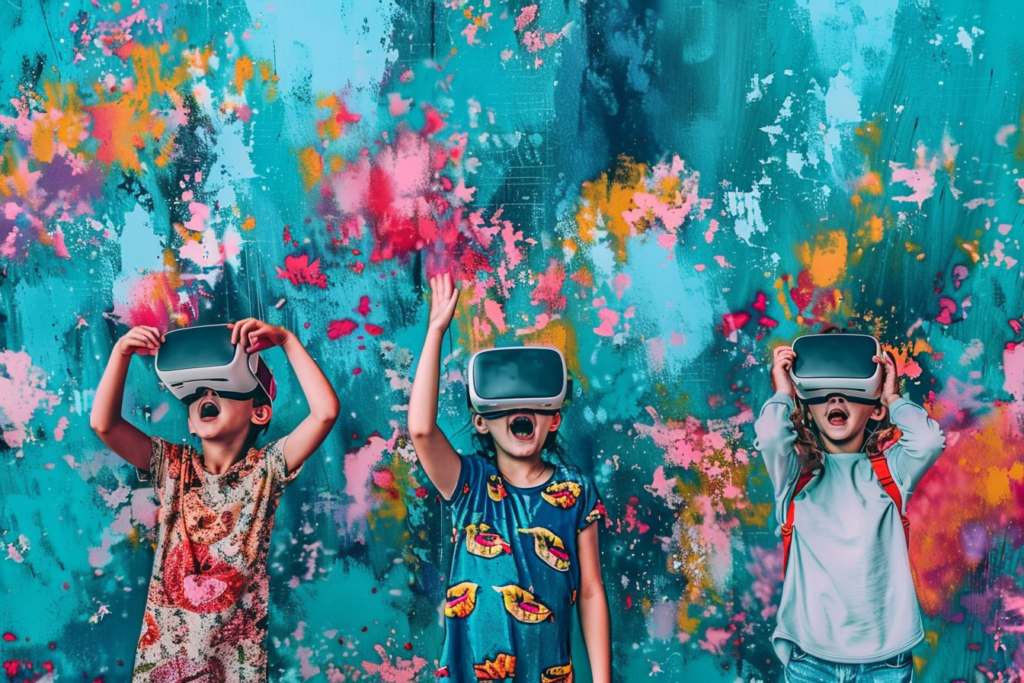
XR Curriculum
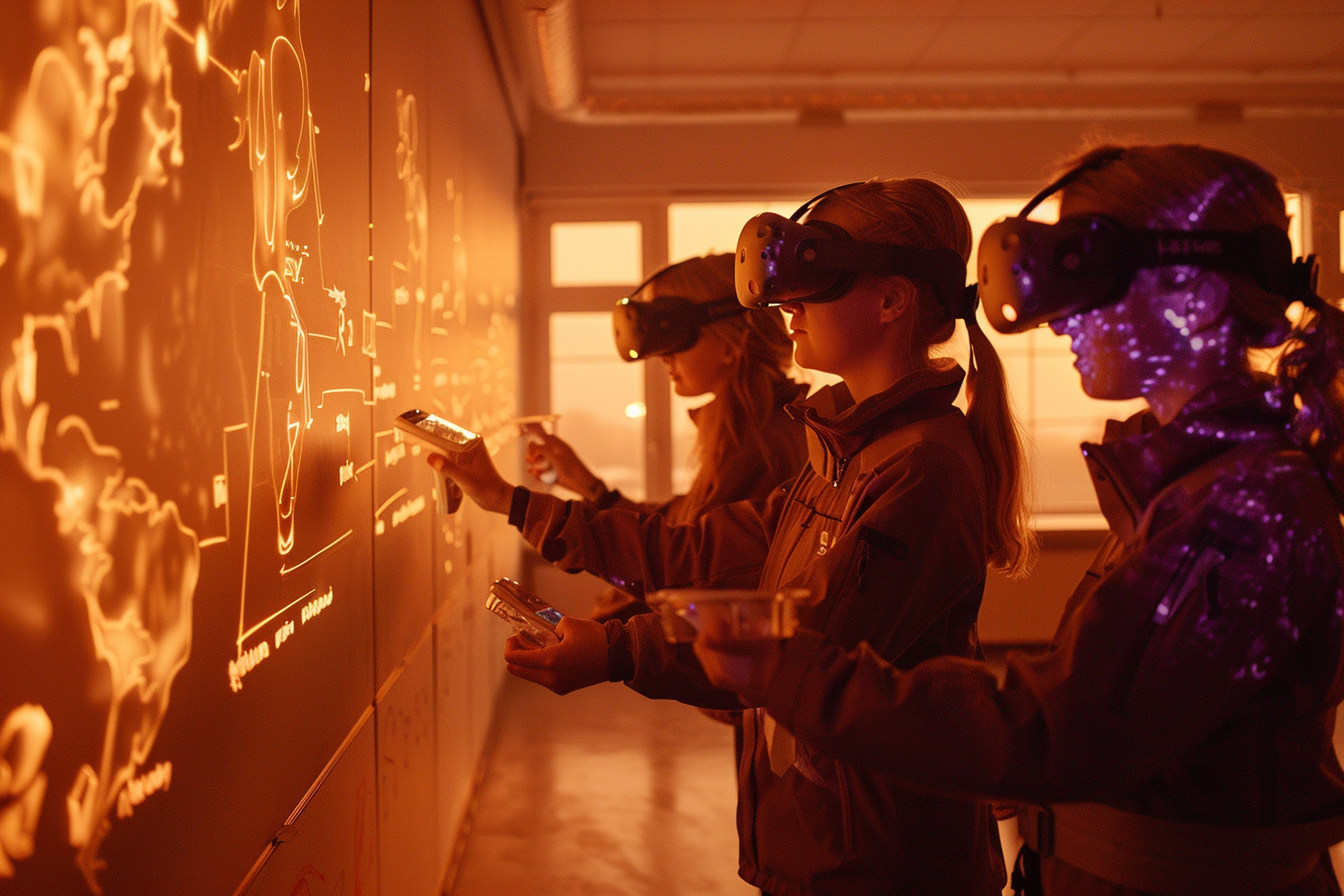
Rather than treating XR as a subject in itself, Finland has integrated immersive tools into traditional subjects. Examples include:
- Biology & Anatomy: Students explore the human body using real-time 3D models with haptic feedback.
- History: Virtual field trips to ancient Rome or Cold War Berlin—complete with historical actors and environments.
- Art & Design: Students sculpt and paint in VR, experimenting with impossible materials and physics.
- Social Studies: Empathy-building experiences through first-person role-play in simulated refugee camps or historical civil rights movements.
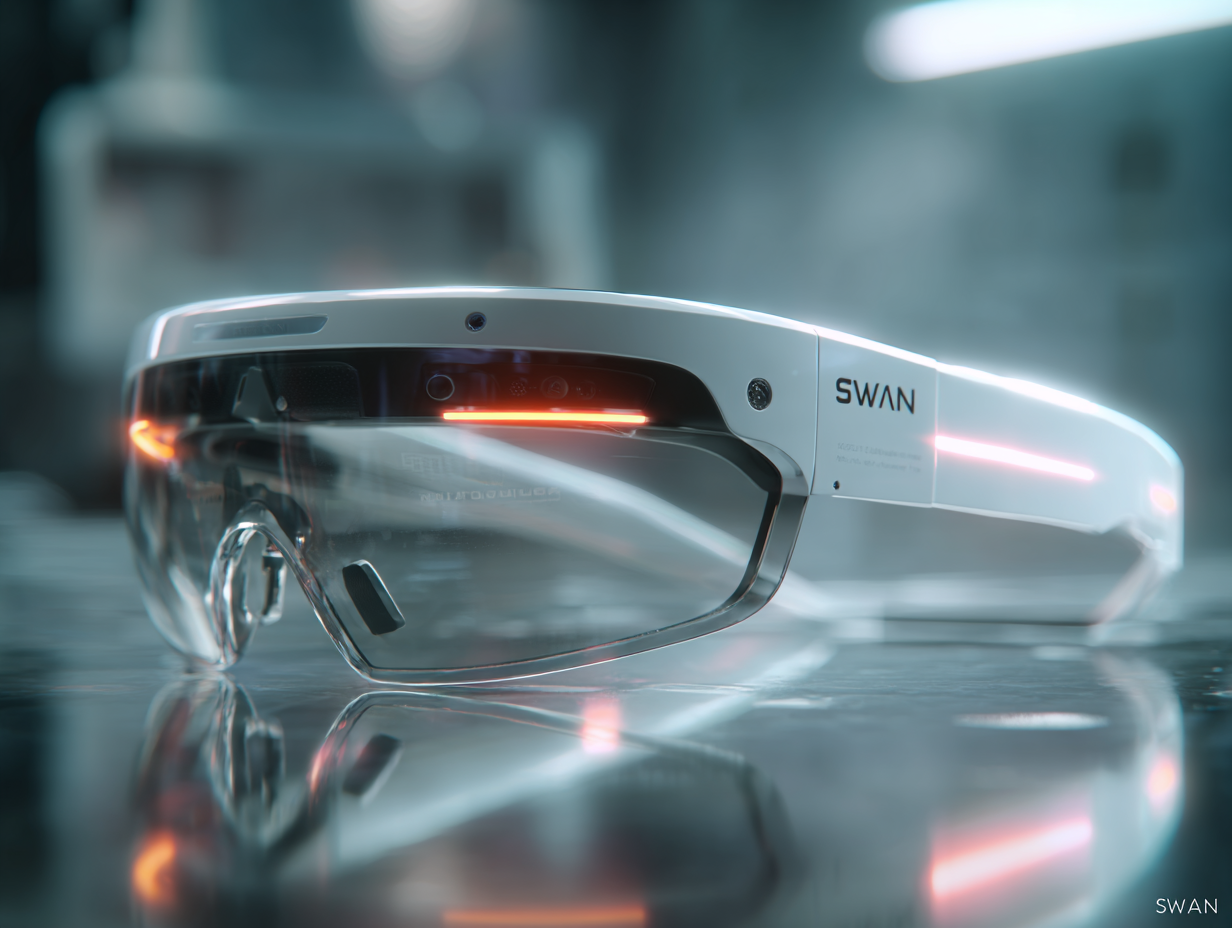
Every school receives a suite of XR-ready headsets, tablets for AR overlay use, and cloud-connected content powered by Unity, Unreal Engine, and local platform XR Finland Oy.
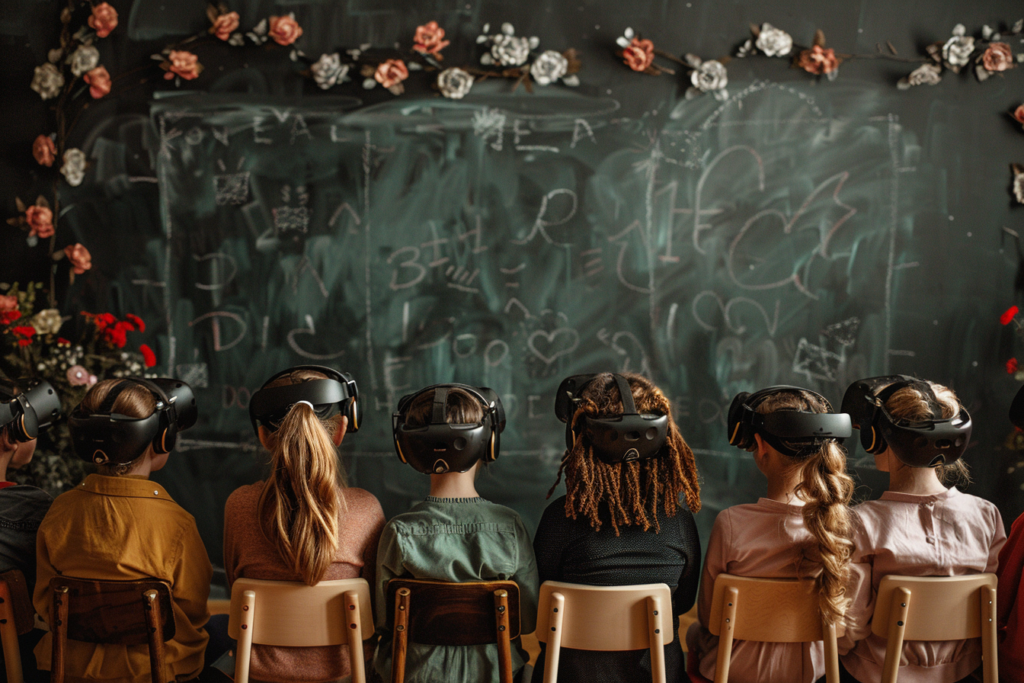
Training Teachers
To ensure success, Finland launched a parallel National XR Pedagogy Certification, a first-of-its-kind training program for teachers. The program includes:
- XR classroom management strategies
- Accessibility and inclusion practices
- Content evaluation and co-creation
- Privacy, ethics, and responsible use
Teachers report that XR is not replacing traditional teaching, but rather enhancing it by engaging students who might struggle in standard classroom environments.
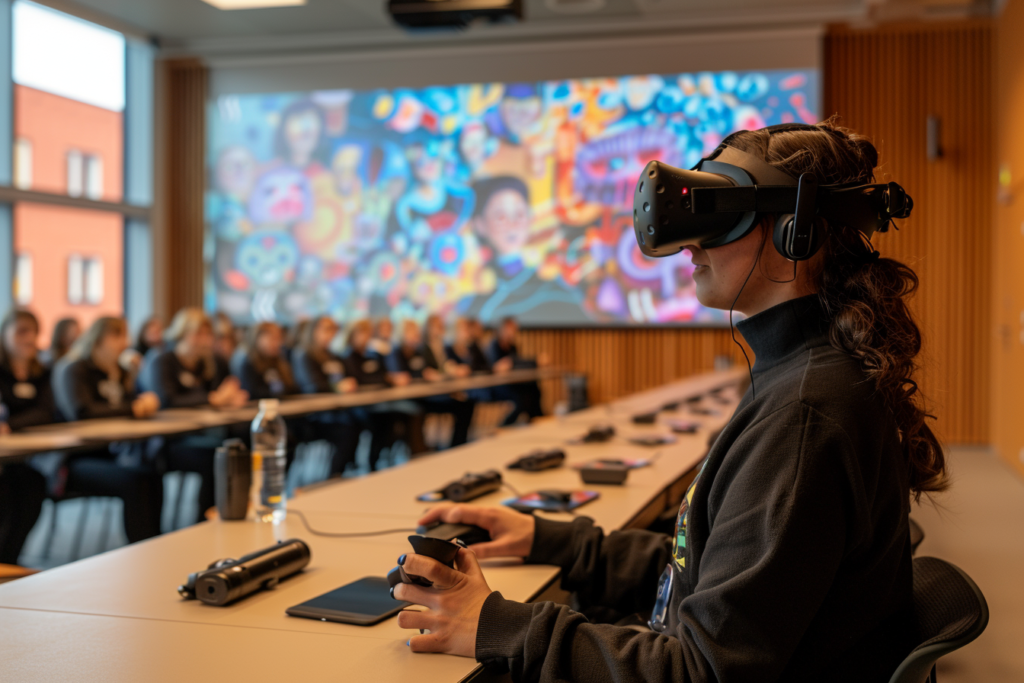
“It’s not about tech for tech’s sake,” says Anne Saarinen, a history teacher in Tampere. “It’s about helping students feel something real about the past—or a science concept—and remembering it forever.”
Hardware
Each Finnish school received:
- 10–20 headsets, mainly the Meta Quest 3, with select schools testing Vision Pro 2
- Classroom AR tablets for younger learners or those with VR sensitivity
- XR content curated through the OpenXR Education Portal, allowing local and global sharing of curriculum assets
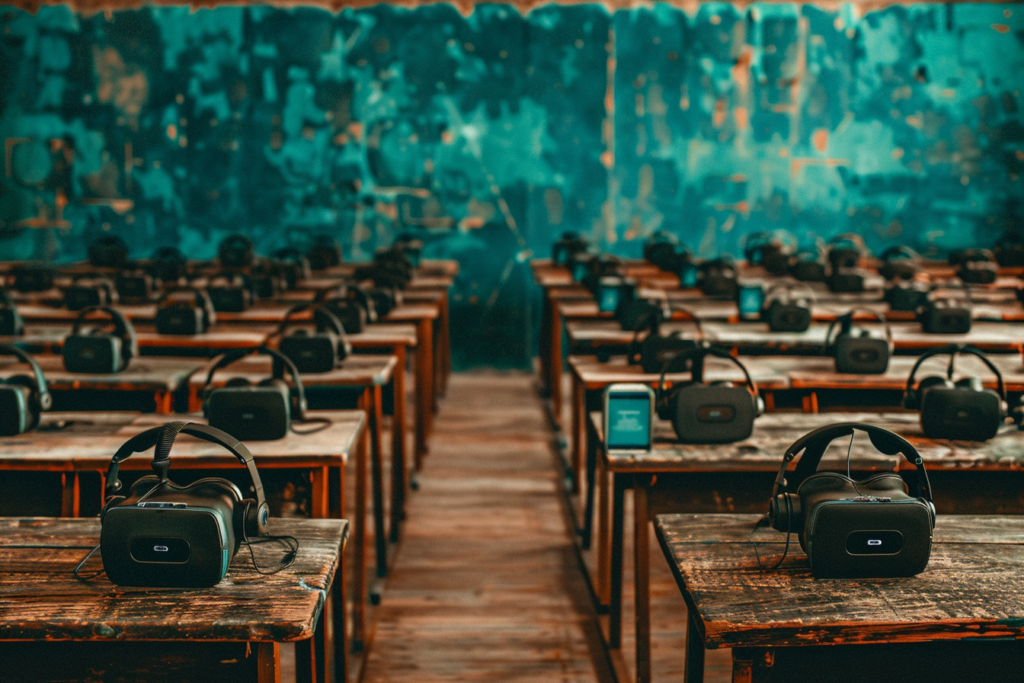
The system is designed with equity in mind, ensuring that schools in rural Lapland get the same immersive tools as those in Helsinki.
Global Implications
Other countries are now watching Finland closely. Delegations from Germany, Canada, South Korea, and New Zealand have already visited pilot schools. Finland’s Ministry of Education has signaled its willingness to open-source parts of the XR curriculum by 2026.
Analysts say the move could trigger a “curriculum race” in the same way Finland once inspired global admiration for its progressive traditional education model.
What is Next?
Plans are underway to expand XR learning into:
- Vocational training, especially in healthcare and green energy
- Higher education, with the University of Helsinki launching an XR medical program this fall
- Language immersion programs, using VR for cultural context and fluency
And by 2026, Finland hopes to publish the world’s first national XR learning outcome framework, setting global standards for immersive learning.
While many nations are still debating the place of immersive tech in education, Finland has decisively moved from debate to implementation. Its national XR curriculum isn’t just a case study—it’s a model, a challenge, and a glimpse into what’s next for learning worldwide.
As XR continues to reshape how we work and communicate, Finland is making sure it also reshapes how we learn.