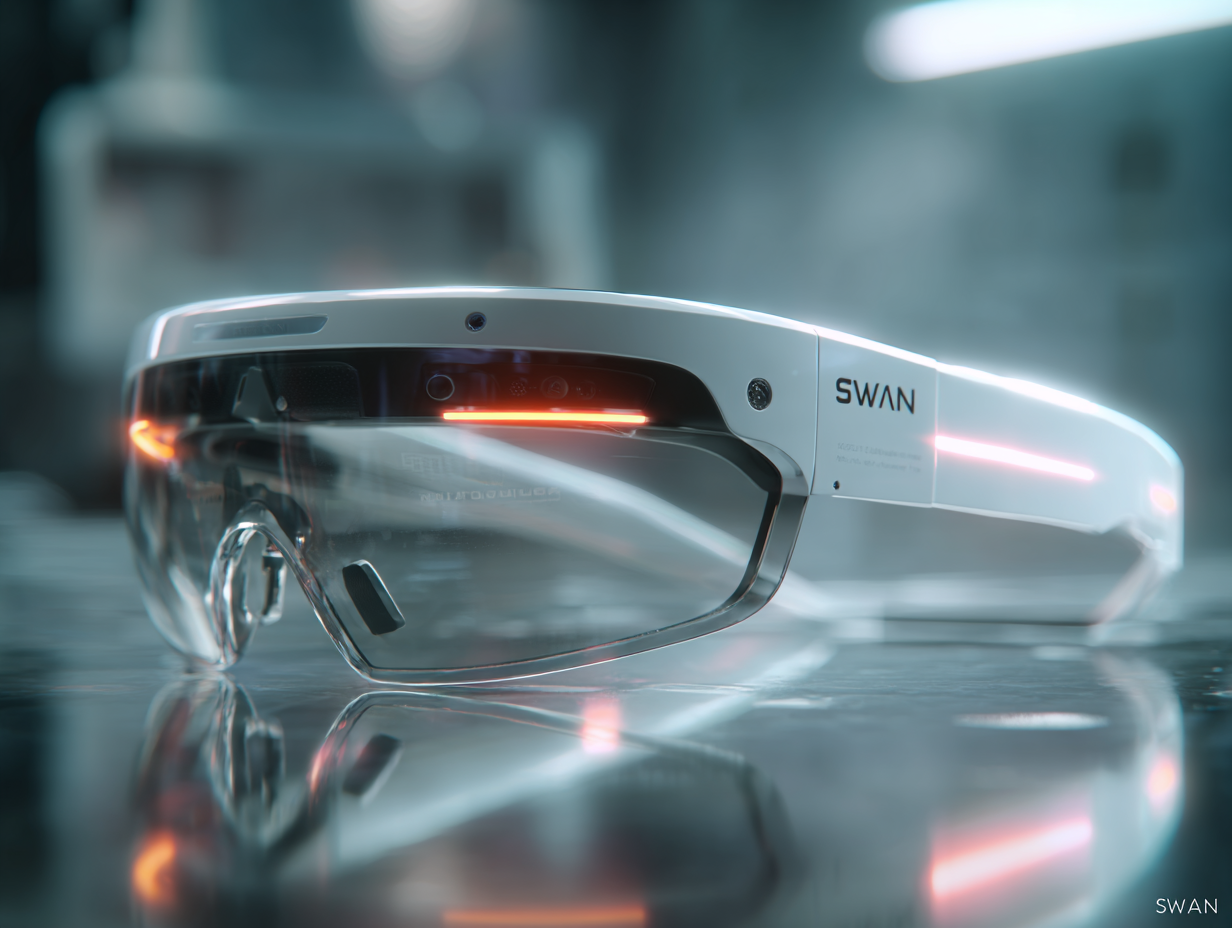
ByteDance, the parent company of TikTok, is reportedly developing a next-generation mixed reality headset under its Pico subsidiary. Internally codenamed “Swan” or “Phoenix,” the device is designed to compete directly with Meta’s and Apple’s advanced wearable systems and represents a significant shift in strategy for the Chinese technology firm.
According to multiple sources close to the project, the upcoming device emphasizes portability and comfort. Unlike Pico’s earlier headsets, which largely focused on virtual reality, this new device embraces a mixed reality format and is expected to rely on an external processing unit—or “puck”—to keep the headset lightweight. This architectural pivot mirrors emerging trends in the XR industry, where headset manufacturers are prioritizing weight reduction and ergonomic design to appeal to a wider audience.
A Lightweight Approach to Mixed Reality
Leaked specifications suggest the headset will weigh under 100 grams, making it one of the lightest mixed reality devices on the market. The optics are expected to utilize waveguide technology with RGB passthrough, providing a field of view in the range of 45 degrees horizontally by 30 degrees vertically. Onboard sensors will likely support full six-degrees-of-freedom (6DoF) tracking, hand gesture input, and real-time environmental mapping.
An external puck—possibly wireless—will manage the bulk of the device’s computing workload. While it remains unclear whether the processor will be based on Qualcomm’s Snapdragon XR series or a proprietary chipset, early indications point to a system optimized for ultra-low latency and high frame-rate passthrough. This is essential for achieving a comfortable and believable mixed reality experience.

Competing with Meta, Apple, and Emerging XR Leaders
ByteDance’s move comes amid growing competition in the XR hardware space. Meta is developing its own lightweight headset under the “Orion” and “Phoenix” codenames, expected to launch in 2026. Apple’s Vision Pro, though heavier and priced at a premium, has already set new benchmarks for visual fidelity and spatial computing.
Unlike Meta and Apple, however, ByteDance has a unique advantage in content distribution. By integrating the headset with its TikTok and Douyin ecosystems, the company may offer creator tools, live AR experiences, and shoppable content natively—an approach that could appeal to millions of content creators and marketers.
Market Expansion Amid Regulatory Scrutiny
While Pico has built a significant user base in Asia and parts of Europe, its devices are not currently sold in the United States. ByteDance’s growing regulatory challenges in Western markets—particularly due to scrutiny of TikTok’s data handling—may complicate a broader international rollout. Nevertheless, the company continues to invest heavily in hardware innovation, even after reportedly shelving the planned “Pico 5” headset in late 2023.
Timeline and Outlook
Though ByteDance has not formally announced the new headset, production prototypes have reportedly been spotted in testing facilities in Asia. Industry observers expect a commercial launch in late 2026 or early 2027, aligning with broader hardware refresh cycles from Meta and Apple.
If successful, Pico’s next-generation headset could signal a broader market shift toward modular, wearable MR systems that bridge the gap between entertainment, productivity, and commerce. But much will depend on ByteDance’s ability to overcome regulatory challenges and deliver not just strong hardware—but also a robust, developer-friendly ecosystem.