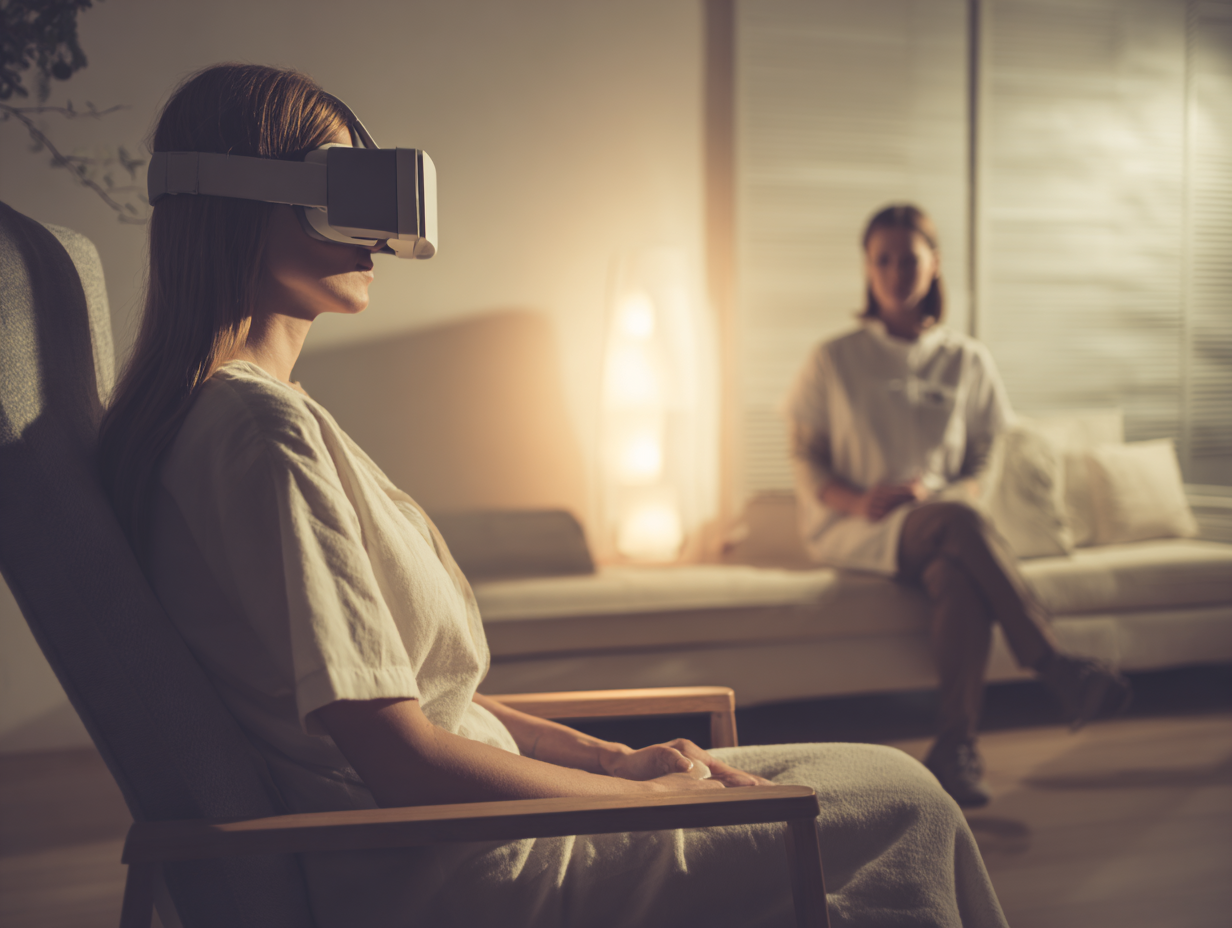
Thanks to new Extended Reality therapies, mental health care is undergoing a radical transformation.
Immersive tools are reshaping therapy, offering new hope and accessibility for people worldwide struggling with mental health conditions.
Immersive Exposure Therapy
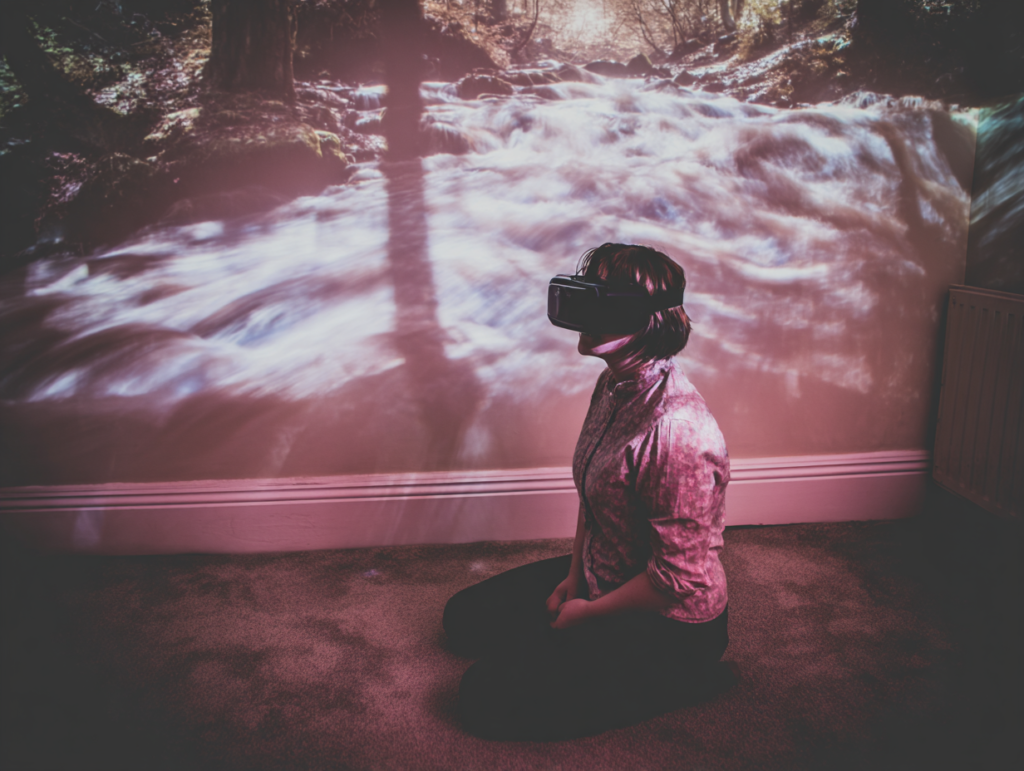
During exposure therapy, patients face fears or traumatic memories in a controlled virtual environment.
VR and AR simulations can recreate anxiety-provoking situations—like public speaking or flying—but in a safe environment. This allows patients to gradually build coping skills with their therapist’s guidance.
Studies show VR exposure therapy can reduce anxiety symptoms with higher engagement and lower dropout rates compared to traditional talk therapy.
Enhancing Mindfulness and Meditation
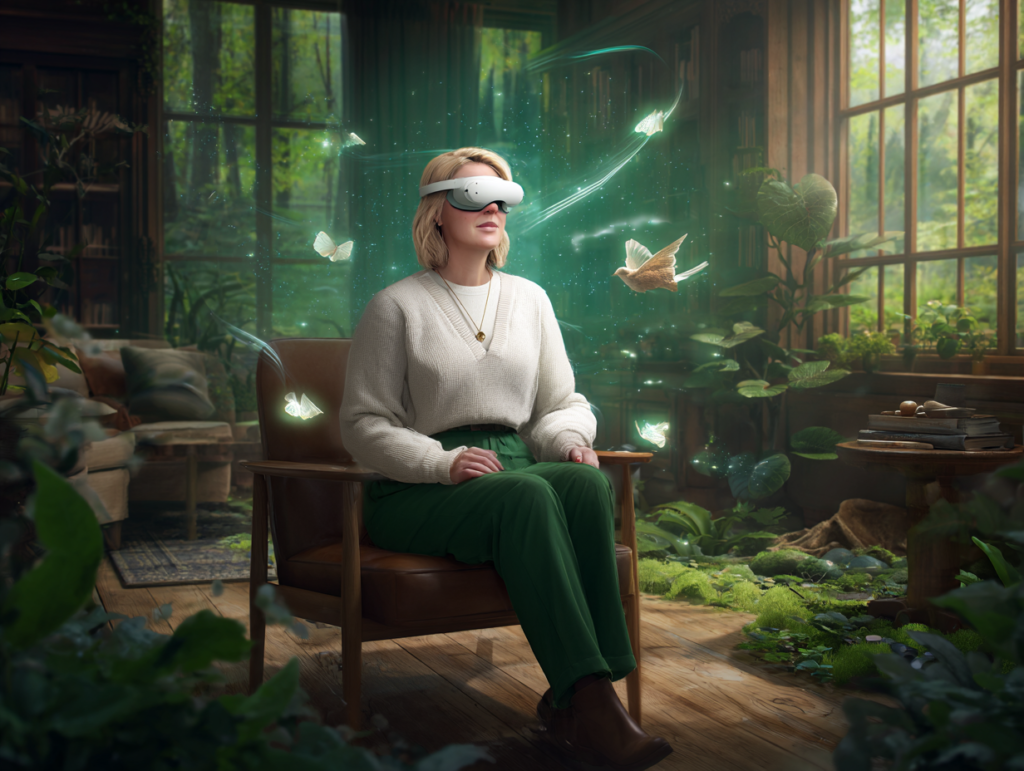
XR powers immersive mindfulness apps that guide users through calming virtual environments—such as serene forests or ocean scenes—enhancing relaxation and emotional regulation. These XR mindfulness tools have been shown to reduce stress and improve mood, especially for users who struggle with standard meditation practices.
Accessibility and Remote Therapy
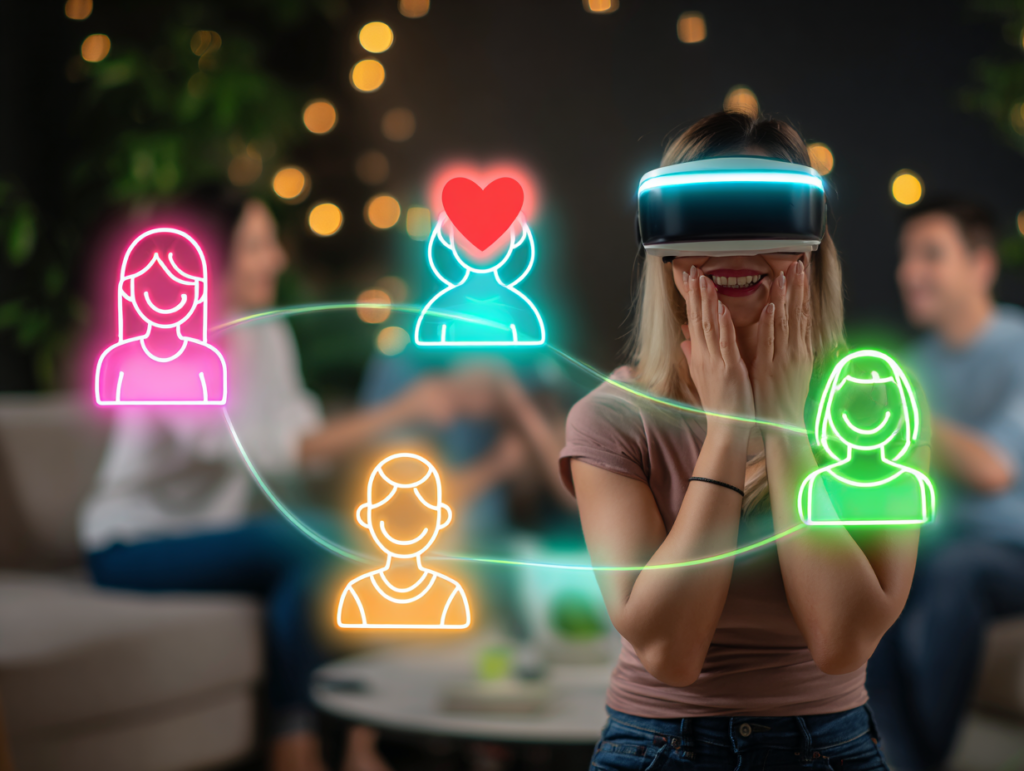
XR removes geographic and physical barriers to mental health care. People in remote or underserved areas can access XR therapy sessions from home, supported by therapists via telepresence or AI-driven virtual coaches.
Ethical and Practical Considerations
While promising, XR mental health applications raise questions around data privacy, long-term effects, and ensuring equitable access. Researchers emphasize the importance of integrating XR as a complement—not a replacement—to traditional care.